As we navigate through 2025, the importance of maintaining a clean and hygienic office environment has never been more critical. Modern workplaces require sophisticated cleaning strategies that go beyond traditional methods. This comprehensive guide explores the latest office cleaning best practices that create healthier, more productive work environments.
The Evolution of Office Cleaning Standards
Office cleaning has transformed dramatically over the past few years. What was once considered adequate cleaning now falls short of modern health and safety standards. Today's office cleaning practices incorporate advanced technologies, eco-friendly products, and scientifically-proven methods to create truly clean workspaces.
The shift toward hybrid work models has also changed cleaning requirements. With varying occupancy levels and flexible schedules, cleaning protocols must be more adaptable and thorough than ever before. Understanding these evolving needs is crucial for maintaining optimal workplace conditions.
High-Touch Surface Sanitization
One of the most critical aspects of modern office cleaning is the regular sanitization of high-touch surfaces. These areas harbor the most bacteria and viruses, making them priority cleaning zones:
- Door handles and push plates require multiple daily sanitizations using hospital-grade disinfectants
- Light switches and elevator buttons should be cleaned with antimicrobial solutions
- Shared equipment like printers, copiers, and coffee machines need frequent attention
- Desk phones and computer keyboards require specialized cleaning products that won't damage electronics
- Meeting room tables and chairs must be thoroughly sanitized after each use
- Kitchen and breakroom surfaces need continuous monitoring and cleaning throughout the day
Air Quality Management
Indoor air quality significantly impacts employee health and productivity. Professional office cleaning in 2025 includes comprehensive air quality management strategies. Regular HVAC system maintenance ensures proper filtration and circulation of clean air throughout the workspace.
Air purification systems with HEPA filters should be strategically placed in high-traffic areas. These systems remove airborne particles, allergens, and pathogens, creating a healthier breathing environment. Additionally, proper ventilation protocols must be maintained, especially in meeting rooms and enclosed spaces where people gather.
Sustainable Cleaning Practices
Environmental responsibility is no longer optional in modern office cleaning. Businesses increasingly recognize the importance of using eco-friendly cleaning products and sustainable practices:
- Green cleaning products minimize environmental impact while maintaining effectiveness
- Microfiber cleaning cloths reduce chemical usage and improve cleaning efficiency
- Water conservation techniques help reduce waste without compromising cleanliness
- Proper waste segregation and recycling programs support sustainability goals
- Energy-efficient cleaning equipment reduces carbon footprint
- Biodegradable cleaning solutions protect both staff and the environment
Technology-Enhanced Cleaning Solutions
Technology plays an increasingly important role in modern office cleaning. Automated cleaning systems, including robotic vacuums and floor scrubbers, provide consistent results while freeing cleaning staff to focus on detail work. UV-C disinfection technology offers chemical-free sanitization of surfaces and air.
Digital tracking systems allow facility managers to monitor cleaning schedules, track supply usage, and ensure quality control. Smart sensors can detect when areas need attention, enabling proactive rather than reactive cleaning. These technologies improve efficiency while maintaining higher cleanliness standards.
Customized Cleaning Schedules
Every office has unique cleaning requirements based on factors like industry type, employee count, and workspace layout. Creating customized cleaning schedules ensures optimal coverage without disrupting business operations. High-traffic areas may require multiple daily cleanings, while private offices might need less frequent but more thorough attention.
Flexible scheduling accommodates various work arrangements, from traditional office hours to 24/7 operations. After-hours deep cleaning allows thorough work without disturbing employees, while daytime maintenance cleaning keeps spaces presentable throughout business hours.
Restroom Hygiene Excellence
Office restrooms require special attention to maintain health standards and employee satisfaction. Modern restroom cleaning protocols include:
- Multiple daily cleanings with hospital-grade disinfectants on all surfaces
- Touchless fixtures that reduce contamination and improve hygiene
- Regular inspection and restocking of supplies including soap, paper products, and sanitizers
- Deep cleaning of grout, tiles, and hard-to-reach areas
- Odor control systems that maintain fresh, pleasant environments
- Proper ventilation to prevent moisture buildup and bacterial growth
Floor Care and Maintenance
Floors are one of the most visible indicators of overall cleanliness. Professional floor care extends beyond regular vacuuming and mopping. Different flooring types require specific maintenance approaches – hardwood needs different care than carpet or tile.
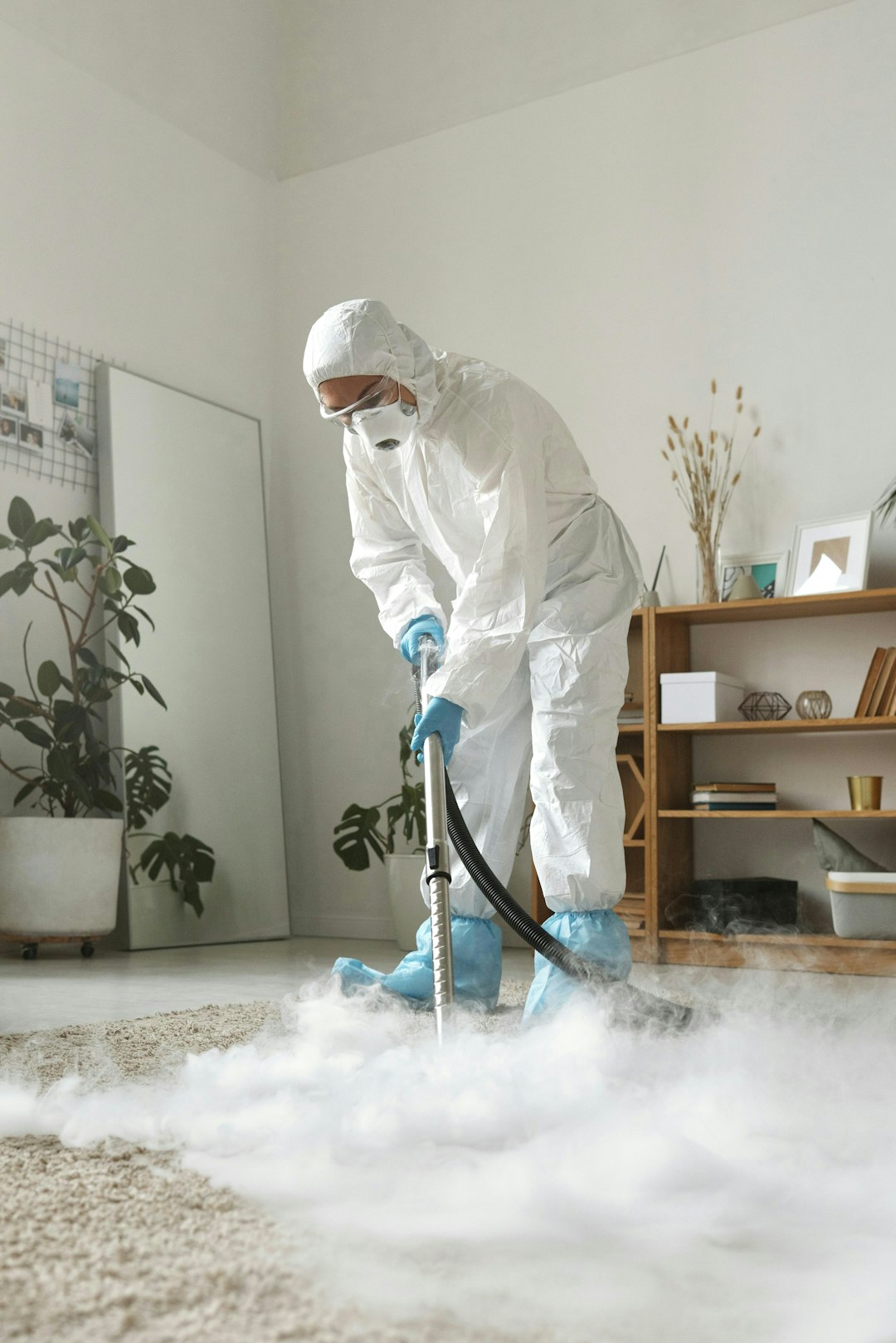
Regular deep cleaning removes embedded dirt and allergens that regular cleaning misses. Carpet steam cleaning should occur quarterly or more frequently in high-traffic areas. Hard floor buffing and polishing maintains appearance while protecting surfaces from wear. Entrance matting systems prevent dirt and moisture from spreading throughout the office.
Kitchen and Breakroom Standards
Office kitchens and breakrooms present unique cleaning challenges due to food preparation and consumption. These areas require stringent hygiene protocols to prevent foodborne illness and maintain pleasant environments. Refrigerators need regular cleaning and organization, with expired items promptly removed.
Microwave interiors harbor bacteria and require daily cleaning. Dishwashers should be cleaned and sanitized regularly. Countertops, sinks, and dining tables need multiple daily sanitizations. Proper waste management prevents odors and pest problems. Coffee machines and water dispensers require specific cleaning procedures to prevent bacterial growth.
Window and Glass Cleaning
Clean windows significantly impact workplace aesthetics and employee morale. Natural light improves productivity and well-being, making clear, streak-free windows essential. Professional window cleaning uses specialized tools and techniques that achieve superior results without leaving residue or streaks.
Interior glass partitions and doors require regular cleaning to maintain professional appearances. Fingerprints and smudges should be removed daily in high-touch areas. Exterior windows may need less frequent cleaning but require professional equipment for tall buildings or hard-to-reach areas.
Training and Quality Control
Even the best cleaning protocols fail without properly trained staff. Comprehensive training programs ensure cleaning teams understand proper techniques, product usage, and safety procedures. Regular skill updates keep staff current with industry best practices and new technologies.
Quality control systems verify cleaning standards are consistently met. Regular inspections identify areas needing improvement. Client feedback mechanisms ensure services align with expectations. Documentation of cleaning activities provides accountability and helps identify patterns or issues requiring attention.
Health and Safety Compliance
Modern office cleaning must comply with various health and safety regulations. Understanding and implementing proper safety protocols protects both cleaning staff and office occupants. This includes proper chemical storage and handling, adequate ventilation during cleaning, and appropriate personal protective equipment.
Material Safety Data Sheets (MSDS) for all cleaning products should be readily accessible. Emergency response procedures must be established for spills or accidents. Regular safety training ensures all staff understand protocols and can respond appropriately to various situations.
Conclusion
Implementing these office cleaning best practices creates workplaces where employees feel safe, comfortable, and productive. Professional cleaning services bring expertise, equipment, and dedication to maintaining these high standards consistently. As workplace expectations continue to evolve, partnering with experienced cleaning professionals ensures your office remains at the forefront of cleanliness and hygiene.
At Expert Cleaning Melbourne, we specialize in comprehensive office cleaning services that incorporate all these best practices. Our experienced team uses the latest technologies and eco-friendly products to create healthy, productive work environments. Contact us today to learn how we can customize a cleaning program for your office.